Responsibility Social issues, materials and more
When developing and manufacturing our products, we strive to take various environmental considerations into account. At the same time, we are committed to treating people throughout our supply chain responsibly. That is why we collaborate with our suppliers, promote defined social standards, and support measures to regularly monitor working conditions at production facilities.
The health and safety rules of theFair Wear Foundation
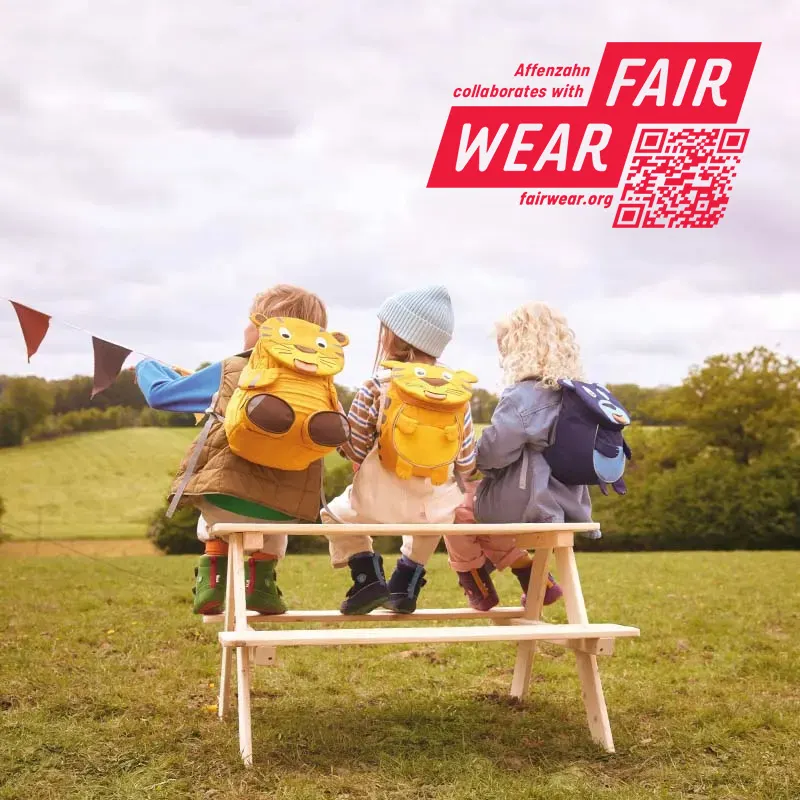
Since 2016, we have been working with the nonprofit organization Fair Wear Foundation. Together, we are committed to improving working conditions in the factories where our bags and shoes are manufactured. The Fair Wear Foundation helps companies implement social standards transparently—for example, through regular audits, training programs, and ongoing dialogue with manufacturers. You can find out more by scanning the Fair Wear QR code!
In our production processes, we place particular emphasis on fair working conditions. The key areas we regularly review and improve include: living wages, reasonable working hours, and a safe work environment. Other standards that are continuously reviewed include the following.

Reasonable hours of work
Care is taken to ensure that all workers have at least one day off per week and there is a maximum number of work hours.
Safe and healthy working conditions
Occupational health and safety as well as hygiene measures at the workplace are checked and must be complied with.
No Child labour
Young people may only work after the end of compulsory schooling; at the earliest at the age of 15.
Payment of living wage
In 2021, we also voluntarily paid our workers a coronavirus bonus to secure their existence.

Freedom of association
This includes, for example, allowing workers to join forces and form trade unions for the right to collective bargaining.
No discrimination
No one should be discriminated against in the workplace because of their religion, origin or skin colour.
Legally binding employment relationship
Everyone receives a statutory employment contract so that the employment relationship is regulated.
Employment is freely chosen
No one should be forced to do a specific job.
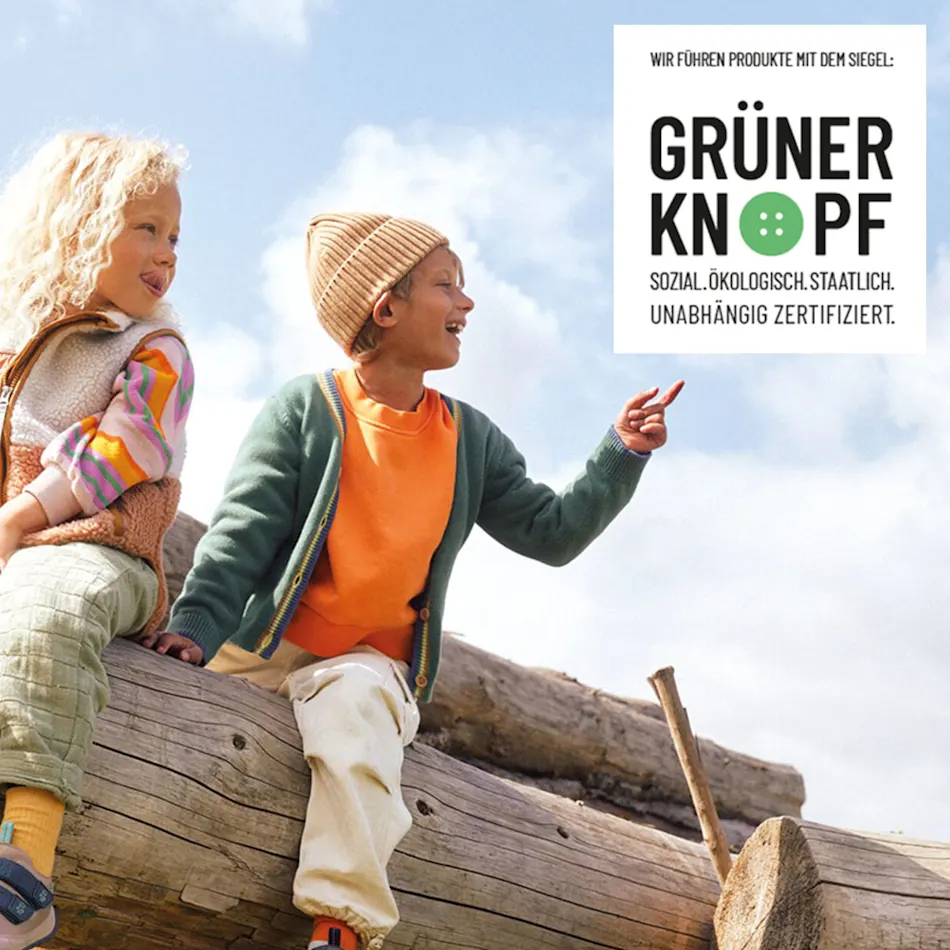
Certified with theGreen Button
Selected products carry the Green Button – the official seal of the Federal Republic of Germany for socially and ecologically produced textiles. It is awarded by independent bodies based on strict criteria for social and environmental standards along the supply chain.
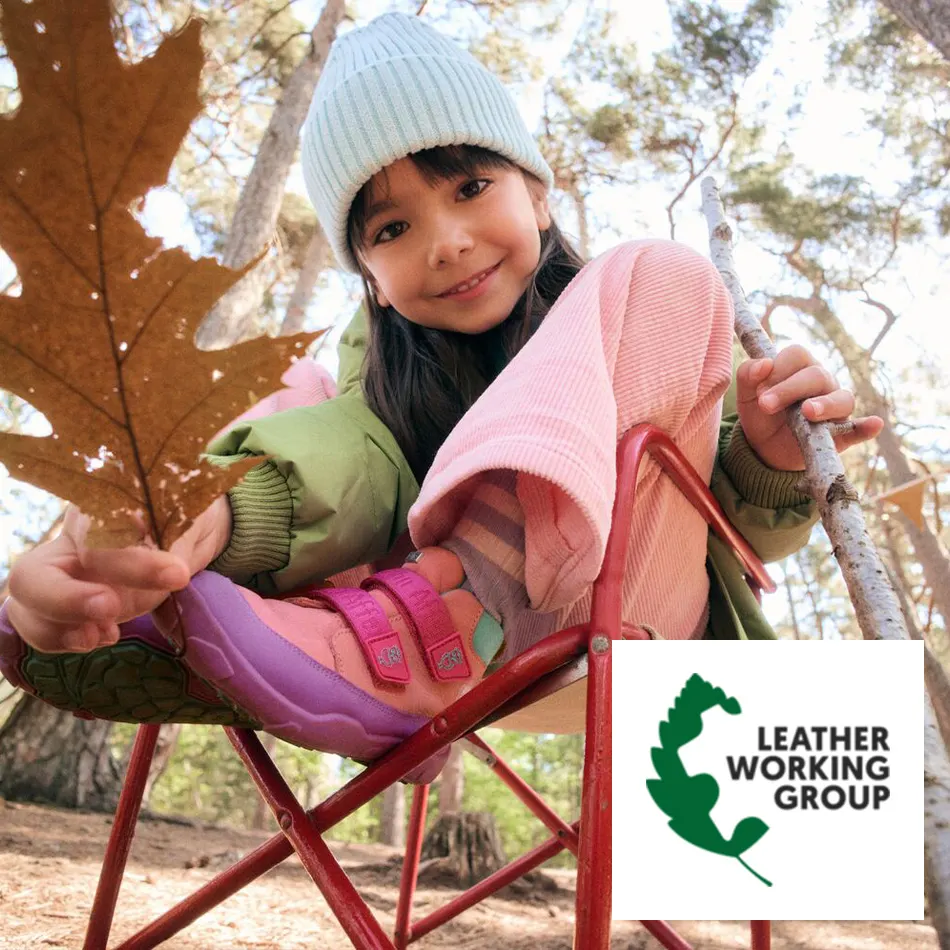
Together with theLeather Working Group
For our shoes and the standout features of our Pure Edition backpacks, we use leather from tanneries certified by the Leather Working Group (LWG). The LWG is an independent organization that sets global standards for more responsible leather production—for example, in the areas of water, energy, and chemicals.
Our leather suppliers operate in accordance with the LWG’s Gold Standard. This means they are among the industry’s best practices in many audited areas. The assessment covers, among other things, water and energy use, chemical management, and environmental and occupational safety.
The evaluation is conducted regularly through independent audits—at least once every two years. It is important to note that the Gold Award can only be earned if high standards are met in all audited areas. This is how we ensure that our leather comes from responsibly certified sources—so that little feet can continue to explore the world with curiosity. Further information on the criteria and the certification system can be found here: www.leatherworkinggroup.com/our-impact/standards-certification.
More Selected Materials
Organic cotton
In our cotton shoe styles, the labelled components are made from 100% certified organic cotton from controlled organic cultivation. Our supplier is certified by an independent testing body in accordance with a standard for organic textiles. This standard includes, amongst other things, requirements regarding the use of chemicals in cultivation and processing – such as a ban on harmful synthetic pesticides – as well as traceability throughout the supply chain.

BLOOM™ foam
The insoles of selected shoes are made from 30 % BLOOM™ algae foam – a clever innovation inspired by nature. This material is made from algae, a particularly fast-growing, renewable raw material. The algae are processed and transformed into a soft, high-performance foam, resulting in a material that feels pleasantly light. So the insole not only ensures an all-round comfortable fit, but also makes every step a little smarter.
Vegan Materials
Affenzahn shoes marked as such are vegan and contain no materials of animal origin. This means that these styles do not contain, for example, leather, wool or other animal-based components. Instead, plant-based or synthetic materials are used. These are selected to ensure they meet the requirements for durability, fit and comfort.
Seawastex®
SeawasTex® is used in parts of the upper material of selected Affenzahn shoes. This is a yarn made, amongst other things, from recycled plastic waste, such as disused fishing nets, ropes from the shipping industry and plastic-based waste. These materials are collected, sorted, cleaned and processed into new plastic fibres through a technical process.
Recycling processRecycling of Used Textiles
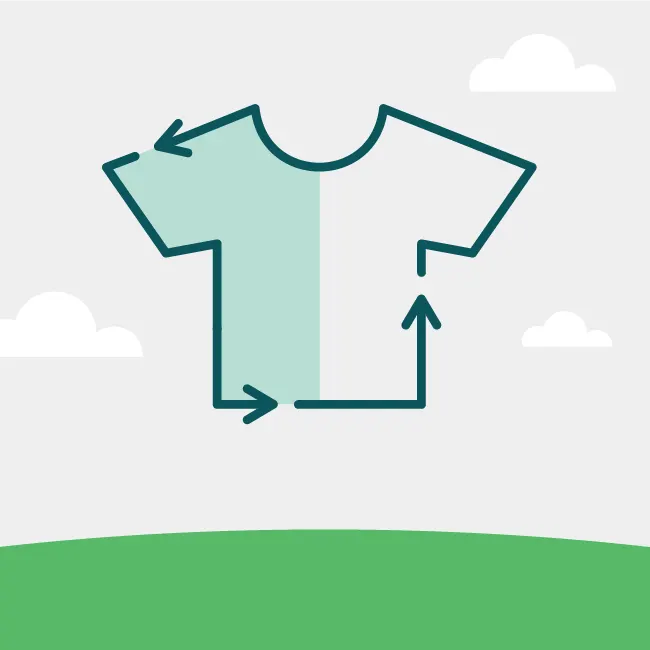
The textile upper material of select shoe models from the fall/winter collection is made in part from recycled textiles. To achieve this, used textiles are collected, processed, and turned into new fibers. This gives end-of-life materials a new purpose and keeps them in circulation—rather than being replaced directly with new raw materials.
In addition to the PET bottle recycling process, which we’ve been using in our product line for many years, the recycling of used textiles is becoming increasingly important to us. In this process, used textiles are returned to the material cycle and repurposed for new products. We’re continuing to develop this approach step by step. And Affenzahn is absolutely thrilled about it!
We recycle From bottle to bag
We use fabrics that are 48 % made from recycled PET bottles to manufacture our Affenzahn backpacks. Compared to conventional production methods, this reduces the amount of wastewater, lowers energy consumption, and cuts pollutant emissions.
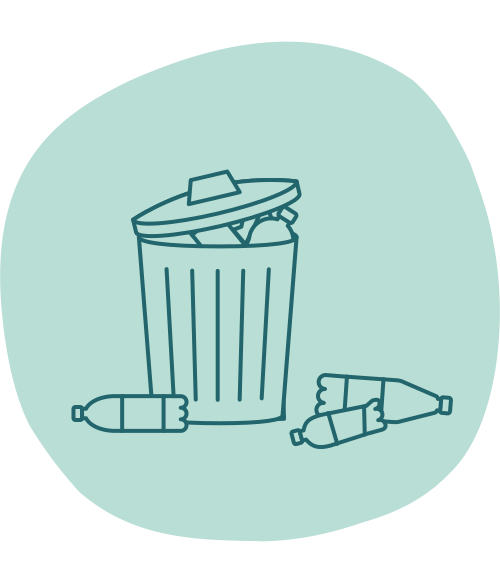
PET bottles are collected & sorted
The empty PET plastic bottles are collected and taken to a recycling plant. Once there, the clear bottles are selected to undergo recycling.
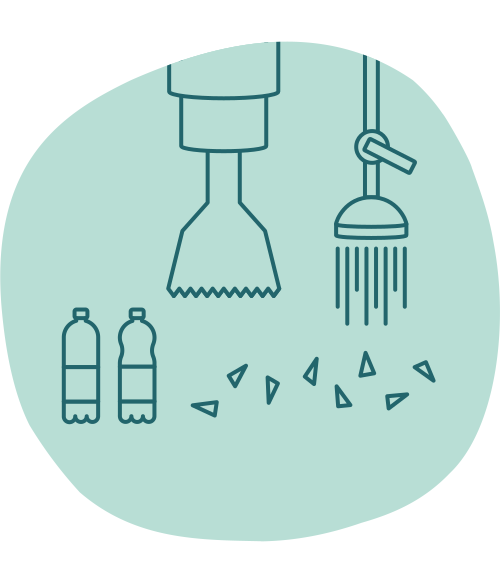
The bottles are crushed & washed
The bottles are crushed into PET flakes. These are then washed in a water bath.
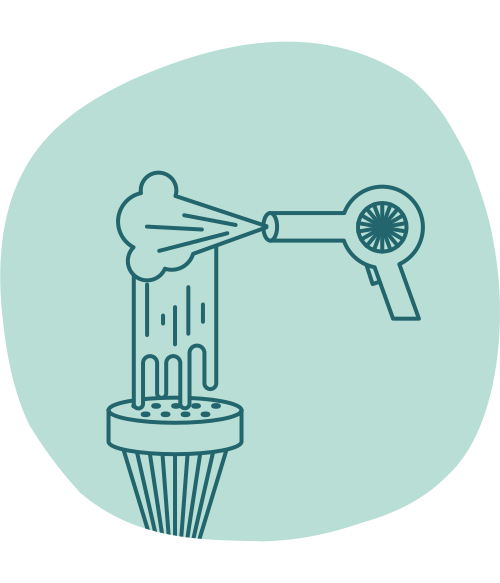
Pellets are made
The PET flakes are melted down and mixed thoroughly. The hot mass is then formed into thick fibres.
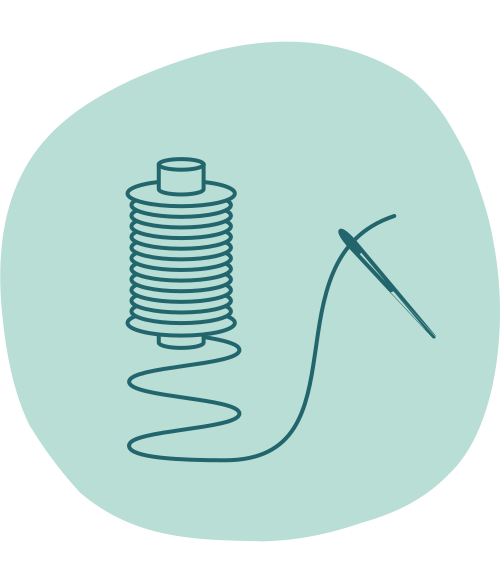
The thread is spun
The finished thread is wound onto spools and transported to the weaving mill.